
 It's been almost two years since a new federal regulation called the Risk-Based Pricing rule went into effect. Risk-based pricing is a common practice which determines interest rates and credit limits.
Consumers who have credit histories which reflect a lower risk of default often get more favorable credit terms. Consumers who have credit histories which reflect a higher risk generally get less favorable terms, paying more in interest rate and receiving a lower credit limit.
Under the Risk-Based Pricing regulation, lenders must disclose the credit score used in making the decision to approve or deny credit. The law is intended to increase transparency and enhance consumers’ ability to understand credit reports and credit scores.
This awareness will hopefully improve the accuracy of consumer credit reports. In many instances consumers can be totally blindsided as to the information contained in their credit reports. Often, when you are at the point of sale, is when you discover a ding on your credit report which can lower your credit score and cause a denial in credit.
A lender will send a Credit Score Disclosure Notice when a consumer is approved for credit and received more favorable credit terms based on their credit report and credit score.
Lenders have the option of sending consumers who received less than favorable credit terms a Risk-Base Pricing Notice which does not contain the credit score. Most lenders opt to use the Credit Score Disclosure Notice in both cases.
The Credit Score Disclosure Notice will contain the following:
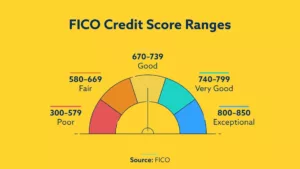
- Credit Score. The credit score basically predicts the risk you may default. The numerical range of the credit score is generally between 300-850. The higher a credit score, the lower the risk. The credit score also determines the terms you are offered. Again, the higher the credit score, the better the interest rate and terms of the loan.
- Comparison Score. The Credit Score Disclosure Notice will include a comparison of your score to the overall population. The comparison will rank your score compared to all U.S. consumers and provide a graph summarizing the percentage of U.S. consumers in each category score. You will be able to see where your credit score ranks among other U.S. consumers.
- Credit Report. The notice will include information on how you may obtain your credit report. The law entitles you to a free copy of your credit report from each of the three major consumer reporting agencies once every 12 months. Get your free Credit Score
Make sure you receive a credit score disclosure after applying for credit, it is the law.